
Anal Glands- cats
Did you know that cats also have anal glands? When a cat is frightened, excited, or has a scent marking, it suddenly has a smell that cannot be described. If you have lifted a cat’s tail too far, you’ve met the lovely spray of the glands.
What are they?
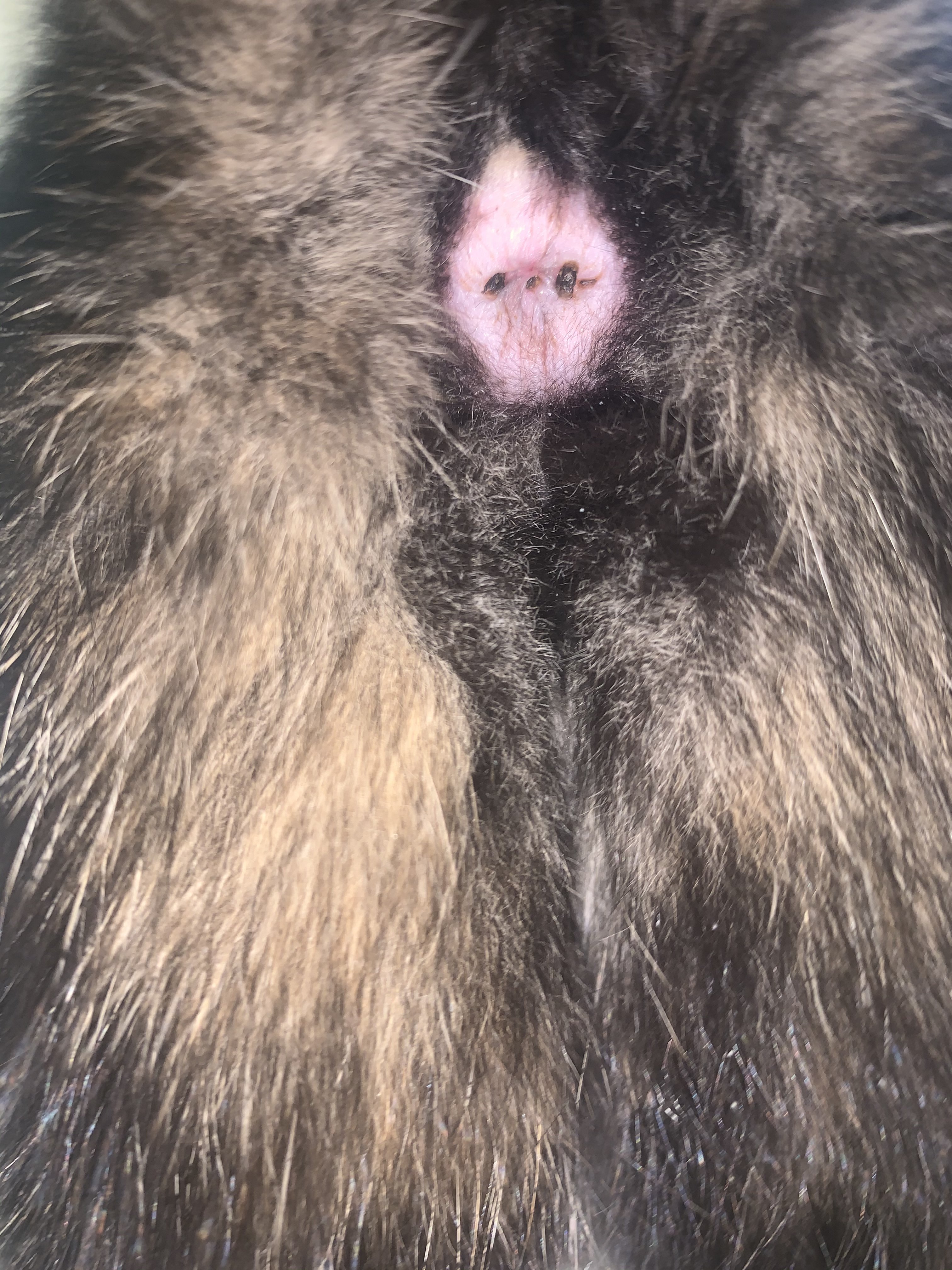
Internally at about the location of 8 and 4 o’clock, next to a cat’s anus is the anal glands. Tiny ducts beneath the skin lead to openings next to the anus. The normal hard feces ‘milk’ this gland, leaving a marking scent on faeces. These glands also release pheromones, so a cat can smell if a previous cat has been in a state of stress in the same area. No matter how you clean, a cat can smell this.
Do we need to do anything as a groomer?
If a cat secretes them during the groom, this is a sign of stress. We shouldn’t, as groomers, try and express a cat’s anal glands as these a small and delicate and can be damaged. The vet should be the only person to do this procedure unless taught and given permission for health reasons.
What are the signs there is something wrong?
Any inflammation, lumps, a strange smell at all times, dragging of the anal area on the carpet, constant licking and/or hair loss, problems defecating, and pain sitting can be signs that the cat needs to see a vet. Anal glands can become clogged (impacted), infected, abscessed, or cancerous; this is less common in cats but still can occur.
So, while the pungent smell once in a while during stress or excitement can be strong, as long as it is not a common occurrence, the anal glands are just functioning as they need to.
Become a Certfied Cat Groomer in 2026 🎓😻
Our Australian Certified Cat Groomer course is the first of its kind, designed for those who want to lead the way in professional, welfare-focused cat grooming.
Perhaps you’re:
• Dreaming of a new career with cats
• A dog groomer ready to expand your skills
• Or a cat groomer seeking official recognition
This is your chance to stand out, gain confidence, and join a new generation of certified professionals.
✨ The ACCG Course looks beyond the fur, considering each cat’s health, behaviour, age, and medical conditions before choosing a grooming plan. From obesity and arthritis to diabetes, kidney disease, and skin disorders, you’ll master how to adapt your grooming techniques to provide safe, compassionate care for every feline client.
You’ll also cover feline anatomy, behaviour, breed and coat specific grooming, safe handling, business setup, and more.
Start your new grooming journey today: enrol ➡ www.groomernation.com.au/
#CatGroomingAustralia #CertifiedCatGroomer #PetIndustry #CareerGrowth #ACCG #Groomernation #AusCatGroomer #CatGroomerAus #catgrooomer #catgroomersofinstagram
Want to learn more?
See my online courses at learncatgrooming.com.au

 Cat Grooming Education