
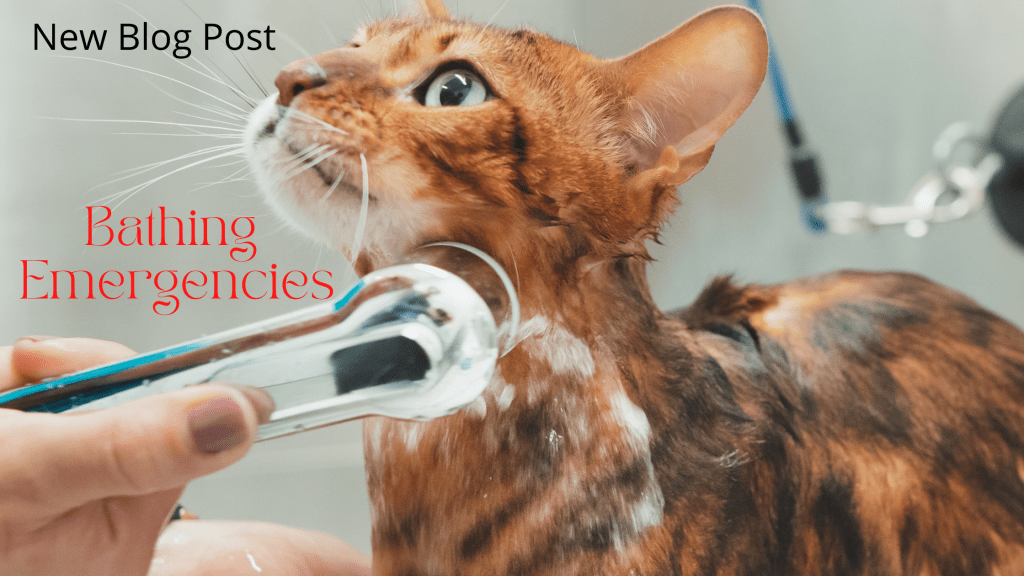
I have had an influx of enquiries about cats that have fallen into toxic household chemicals
But what should I do if my cat, or a cat client, has an accident like this?
First thing, always call a Vet and confirm what your cat has fallen into, and whether it is required to come straight to the Vet, or if you can remove it at home. Never induce vomiting unless under Veterinary guidance. Some chemicals can do as much damage coming up the oesophageal tract as going down.
Remember that a poison can enter the system not only by cleaning with the tongue and ingesting it, but also through the skin and the lungs.
Signs of poisoning requiring emergency treatment:
- Fever
- Vomiting
- Diarrhoea
- Dizziness
- Confusion
- Depression
- Difficulty breathing (i.e., choking, coughing, gagging)
- Abdominal pain
- Blue-purple coloured skin/gums
- Excessive salivation
- Pawing at the muzzle
- Champing the jaws
- Head-shaking
- Instability/trouble walking
- Tremors and convulsions (rare)
- Irregular heartbeat
- Respiratory arrest
- Loss of consciousness/comatose
- Loss of all body functions
Depending on the toxin, the Vet may recommend removal by washing your cat with dishwashing detergent or using an adhesive remover.
Vet treatment and clearance always come first before toxin removal.
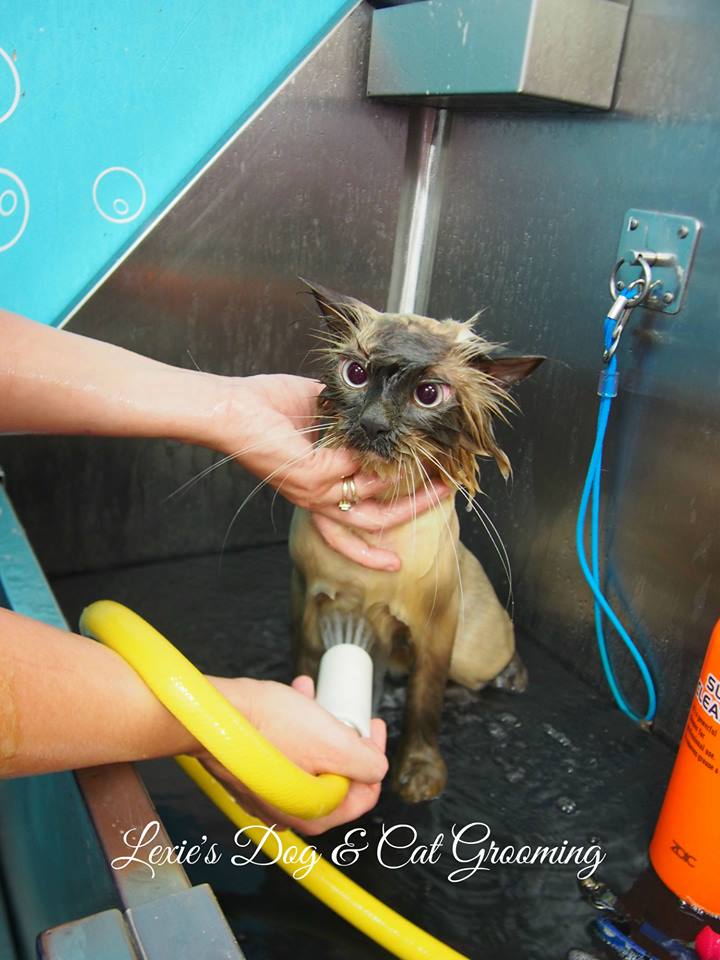
An example of washing a cat to remove motor oil:
The Cat was checked by the vet for signs of poisoning. The owner opted to bath the cat at home.
Bathing includes the use of a washing detergent without citrus oils. Always check ingredients before using anything on a cat.
Start by washing the cat with as much detergent and as little water as possible, adding more water each time.
It can take 5-10 washes and rinses to remove the oil enough that it can no longer be ingested.
Other options are to use oil to remove the oil, such as Dolly Chinny Degreasing Oil.
Important!
Always have a follow-up vet check the next day, or as soon as the cat starts showing any of the above signs of poisoning.
Removal does not guarantee the cat has been poisoned; it just may reduce the likelihood of poisoning.
For my full procedure and recommendations, see the Australian Certified Cat Groomer Course.
Ready to Take Your Cat Grooming Skills Further?
If you’re passionate about improving feline welfare, reducing grooming stress, and building a successful cat grooming business, consider becoming an Australian Certified Cat Groomer (ACCG). This comprehensive certification program teaches feline behaviour, low-stress handling, anatomy, health conditions, modifications to grooming plans, business skills, and industry best practices to help you become a confident and knowledgeable cat grooming professional. Whether you’re new to grooming or looking to specialise in feline care, the ACCG course can help you stand out in the growing field of professional cat grooming.
👉 Learn more and enrol today: Australian Certified Cat Groomer (ACCG) Course

 Cat Grooming Education