

One of the biggest myths in cat grooming is that cats don’t need grooming during winter.
In reality, many cats need more grooming throughout the colder months, especially medium- and long-haired breeds.
Every year, as winter ends, cat groomers experience a surge in calls from owners whose cats have become heavily matted. Unfortunately, by the time the mats are visible, they have often been developing for months.
Why Do Cats Mat More During Winter?
Many cat owners avoid grooming or clipping during winter because they’re concerned their cat may become cold.
While this is understandable, delaying coat maintenance can actually create bigger problems.
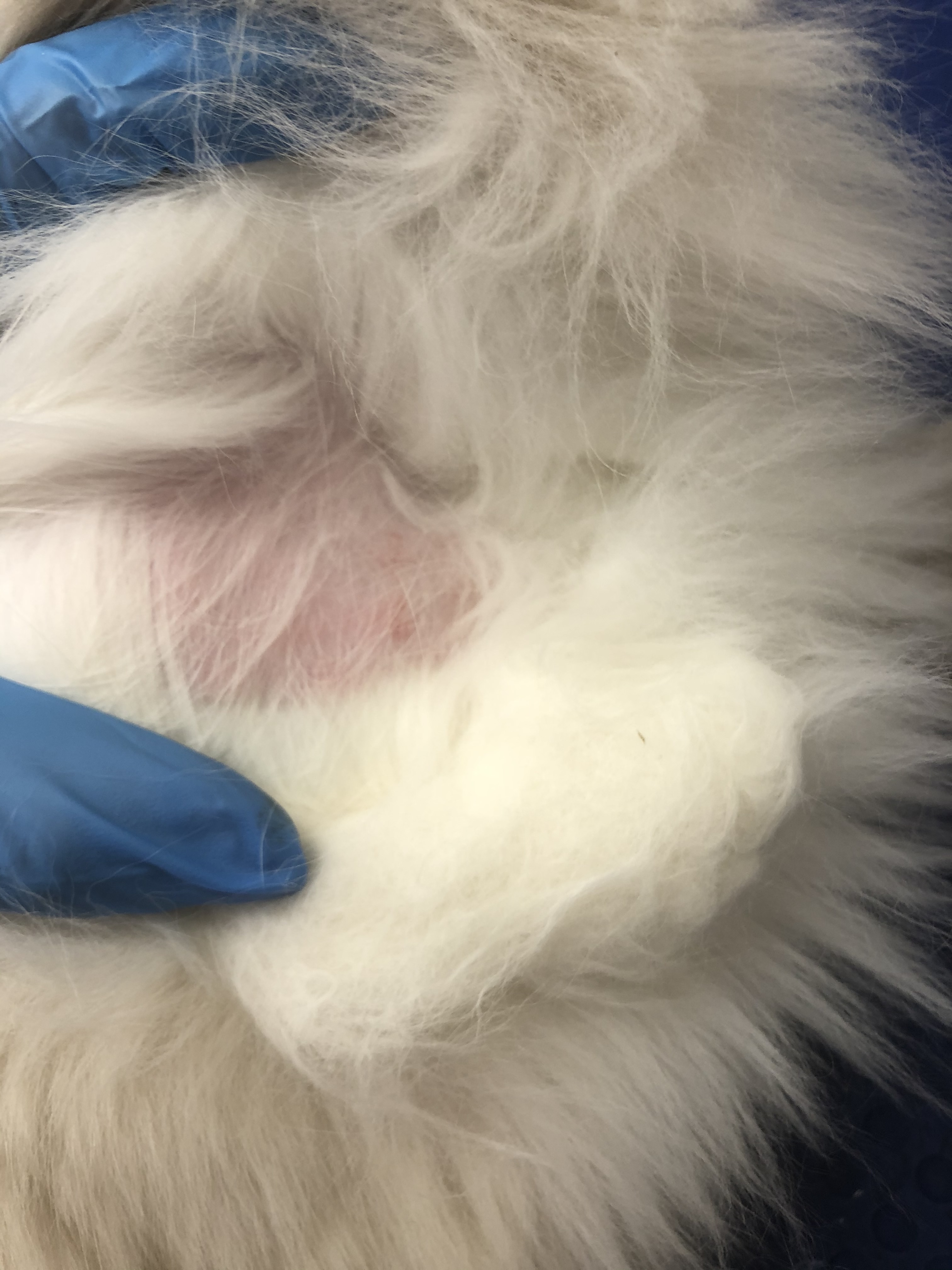
As mats develop, they become tighter, larger, and more difficult to remove. What may have started as a few small tangles can quickly spread across the coat, leading to discomfort, restricted movement, skin irritation, and in severe cases, painful pelted matting.
Understanding the Cat Hair Growth Cycle
To understand why winter matting occurs, it helps to understand how a cat’s coat grows.
The hair growth cycle consists of four stages:
1. Anagen
The active growth phase where the hair is growing.
2. Catagen
The transition phase where hair growth begins to slow.
3. Telogen
The resting phase of the hair cycle.
4. Exogen
The shedding phase, where old hairs are released to make way for new growth.
As temperatures cool, cats develop a thicker coat to help provide insulation and protection from the elements. During winter, much of the coat remains in the resting (Telogen) phase, resulting in a dense build-up of hair.
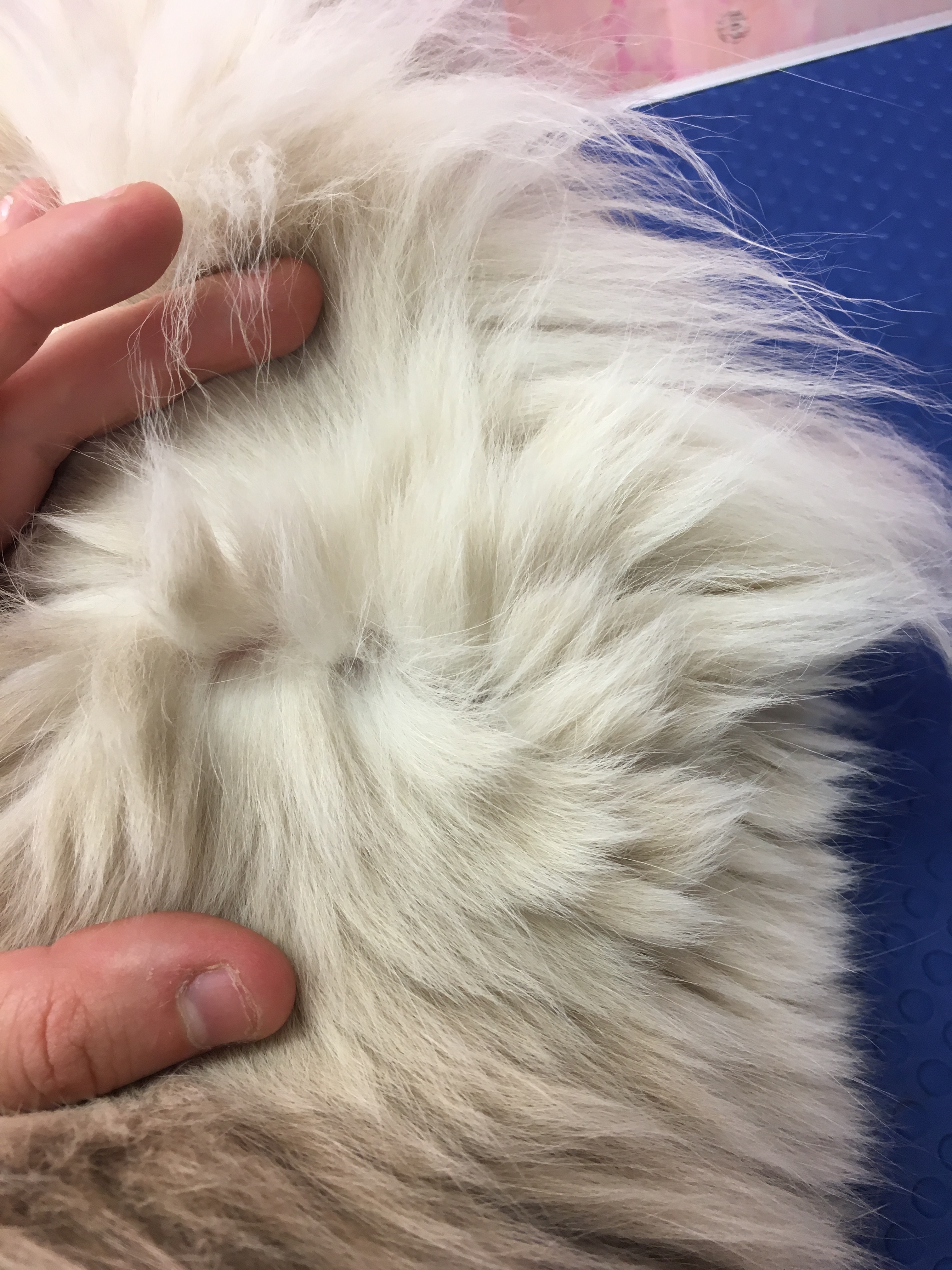
If loose undercoat is not regularly removed, it can become trapped within the coat. As new coat growth develops around this retained undercoat, knots and mats begin to form.
Photo: Compaction- mats beginning to form.
The Role of Undercoat in Winter Matting
A healthy cat coat contains both primary hairs and softer secondary hairs, commonly referred to as the undercoat.
When large amounts of undercoat remain trapped in the coat, the hairs start to tangle together. This is particularly common in:
- Persian cats
- Maine Coons
- Ragdolls
- Siberians
- Norwegian Forest Cats
- Domestic medium and long-haired cats
Regular combing removes this loose coat before it has the opportunity to form mats.
Winter Weather Can Make Matting Worse
Cold and damp weather can also contribute to matting.
Cats that spend time outdoors may collect moisture in their coat from:
- Wet grass
- Rain
- Morning dew
- Damp environments
When hair becomes wet, individual hairs naturally clump together. Without proper drying and combing, these clumps can tighten and form knots.
Just like human hair, a cat’s coat is more likely to tangle if it becomes wet and dries without being brushed or combed.
In addition, prolonged moisture close to the skin can create an environment that may contribute to skin irritation and coat problems.
How Cat Owners Can Prevent Winter Mats
The good news is that winter matting is largely preventable with regular coat maintenance.
Photo: Tight matting beginning to pull off the skin.
Remove Loose Undercoat Regularly
Routine combing helps remove dead undercoat before it becomes trapped within the coat.
Check High-Risk Areas
Pay particular attention to:
- Armpits
- Belly
- Chest
- Behind the ears
- Groin area
- Tail base
These areas often mat first.
Dry Wet Coats Properly
If your cat becomes wet, gently comb the coat as it dries to separate the hairs and allow air to circulate through the coat.
Schedule Professional Grooming
Regular professional grooming can help prevent coat build-up, remove excess undercoat, and identify matting before it becomes severe.
Don’t Wait Until Spring
One of the biggest mistakes cat owners make is waiting until winter is over before addressing matting.
Early intervention is always easier, safer, and more comfortable for the cat than waiting until the coat has become heavily tangled.
A Healthy Coat Is More Than Just Appearance
Regular grooming isn’t just about keeping your cat looking good. Proper coat maintenance helps support:
- Skin health
- Comfort and mobility
- Coat insulation
- Early detection of skin problems
- Reduced risk of painful matting
A well-maintained coat actually functions better than one packed with loose undercoat, knots, and mats.
Want to Learn More About Cat Grooming?
Whether you’re a cat owner wanting to better care for your cat’s coat or a groomer looking to improve your feline grooming skills, understanding matting prevention is essential.
Learn more about feline coat care, undercoat removal, matting prevention and professional cat grooming techniques at Cat Grooming Education:

 Cat Grooming Education