
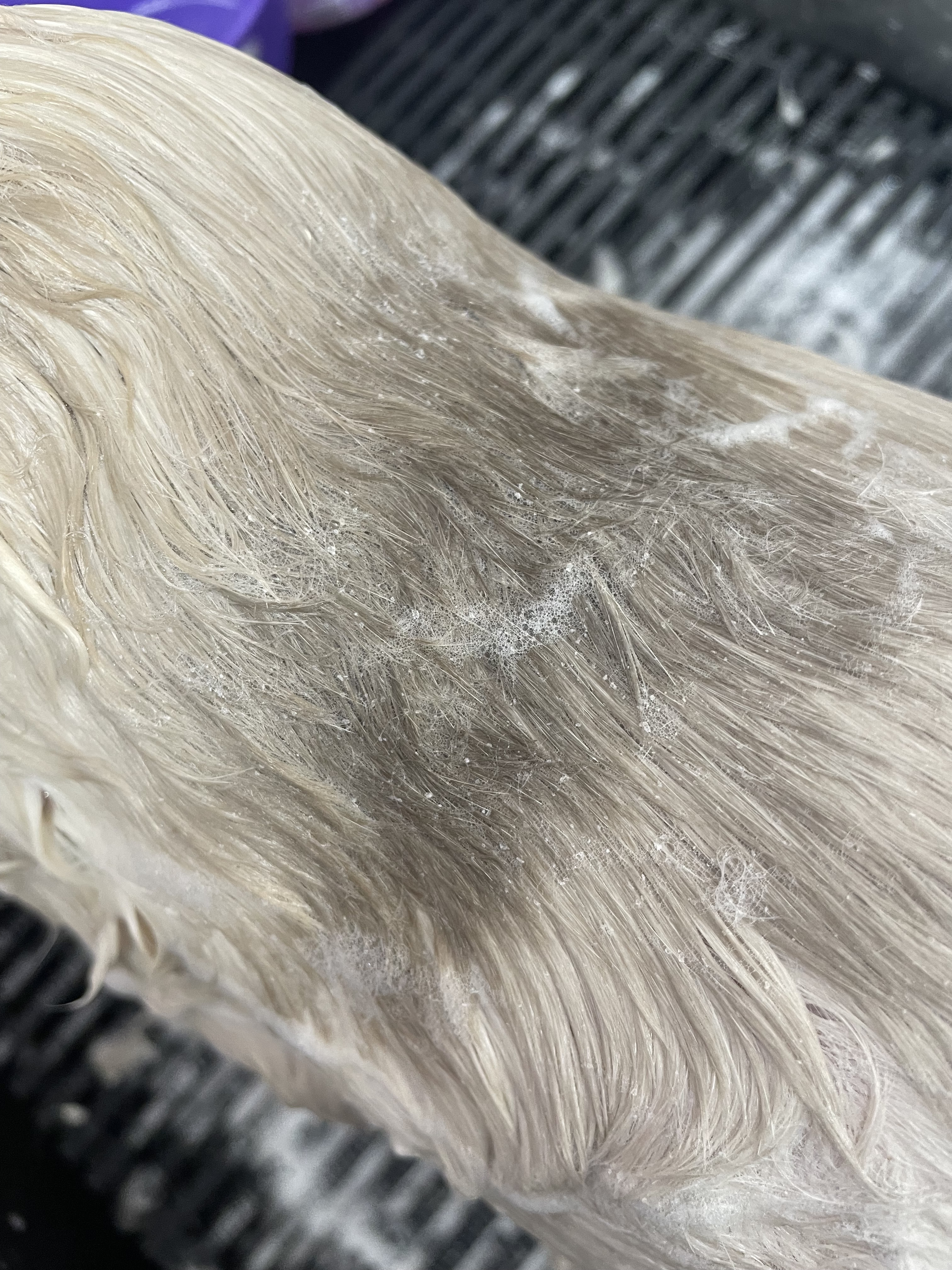
Have you noticed white flakes in your cat’s coat that look like someone has sprinkled salt over their fur?
Cat dandruff is a common issue that can affect cats of any age, breed, or coat type. While occasional skin flakes may not be a cause for concern, persistent dandruff can sometimes indicate an underlying health, skin, or grooming problem that needs attention.
What Is Cat Dandruff?
Cat dandruff, also known as seborrhoea sicca, is a build-up of dead skin cells that become visible in the coat. It occurs when the skin sheds more flakes than normal or when those flakes are not effectively removed through your cat’s natural grooming habits.
Dandruff is often most noticeable on the lower back, near the tail base, and along the spine. It can be especially visible in cats with dark coats.
Why Does My Cat Have Dandruff?
There are several reasons a cat may develop dandruff, including:
- Reduced self-grooming
- Obesity
- Arthritis or mobility issues
- Senior age-related changes
- Poor coat maintenance
- Dry skin
- Parasites such as fleas or mites
- Skin infections
- Allergies
- Underlying medical conditions
- Nutritional deficiencies
Cats that are overweight or elderly are particularly prone to dandruff because they may struggle to reach certain areas of their body during grooming.
If your cat is unwell, in pain, or experiencing reduced mobility, grooming behaviour may decrease, leading to an accumulation of dead skin, loose coat, and oils.
When Should You See a Veterinarian?
While mild dandruff is often manageable with improved grooming and coat care, it’s important to speak with your veterinarian if you notice:
- Excessive dandruff
- Hair loss
- Red or irritated skin
- Persistent scratching or itching
- Changes in coat quality
- Unpleasant skin odours
- Sudden onset of dandruff
- Weight loss or other signs of illness
A veterinary examination can help rule out skin disease, parasites, allergies, hormonal disorders, or other health concerns that may be contributing to the problem.
How to Reduce Dandruff in Cats
1. Feed a Balanced, High-Quality Diet
Nutrition plays a significant role in skin and coat health. A complete, balanced diet appropriate for your cat’s life stage can help support healthy skin function.
Omega-3 fatty acids may also be beneficial for some cats when recommended by your veterinarian.
2. Maintain a Healthy Weight
Weight management is important for overall health and can help cats groom themselves more effectively.
When cats can comfortably reach all parts of their bodies, they are better able to naturally remove dead skin, dirt, and loose fur.
3. Comb Regularly
Regular grooming helps:
- Remove loose fur
- Lift dead skin cells
- Distribute natural skin oils
- Reduce matting
- Improve coat condition
The right grooming routine will depend on your cat’s coat type and individual needs.
4. Consider Professional Cat Grooming and Bathing
For some cats, particularly long-haired, overweight, elderly, or mobility-impaired cats, professional grooming can make a significant difference.
Bathing helps remove excess oils, dirt, loose hair, and dandruff that may have accumulated on the skin and coat. The bathing process works both chemically and mechanically to help loosen and remove dead skin cells, reducing visible dandruff and improving overall coat cleanliness.
Following with an appropriate conditioner helps restore moisture balance and support the skin and coat, leaving both in optimal condition. For cats that cannot effectively groom themselves, regular bathing and grooming can significantly improve skin health, coat quality, and comfort.
5. Stay Up to Date With Parasite Prevention
Fleas, mites, and other external parasites can contribute to skin irritation, inflammation, and dandruff.
Follow your veterinarian’s recommendations for parasite prevention appropriate for your cat.
6. Monitor Ongoing Skin Issues
If dandruff continues despite regular grooming and good parasite control, further investigation may be needed. A veterinarian with an interest in dermatology can help identify the underlying cause and develop an appropriate treatment plan.
Why Grooming Is So Important for Cats
Grooming is much more than keeping a cat looking tidy.
Cats spend a significant portion of their day maintaining their coat, and this behaviour serves several important functions:
Parasite Control
Regular grooming can assist in removing parasites and debris from the coat.
Removing Loose Hair and Dead Skin
Self-grooming helps prevent the build-up of loose fur and skin flakes that can contribute to matting and poor coat condition.
Cleaning the Coat
Cats use grooming to remove dirt, debris, and excess oils from their fur. This is one reason why substances on a cat’s coat can be hazardous if ingested during grooming.
Supporting Coat Function
A well-maintained coat provides insulation and protection. Matted or heavily compacted coats cannot regulate temperature as effectively as a clean, healthy coat.
Healthy Grooming Is a Sign of Wellbeing
Grooming is a normal and essential feline behaviour. Changes in grooming habits can sometimes be an early indicator that something isn’t quite right.
By maintaining a healthy diet, supporting an ideal body weight, providing regular coat care, and seeking veterinary advice when needed, you can help keep your cat’s skin and coat in excellent condition.
Want to Learn More About Cat Grooming?
Whether you’re looking to groom your own cat at home or expand your professional feline grooming skills, education is one of the best investments you can make in your cat’s well-being.
Our grooming courses cover feline skin and coat health, behaviour, handling, bathing techniques, matting prevention, and practical grooming skills designed specifically for cats.
👉 Explore our cat grooming courses: http://www.learncatgrooming.com.au
Source inspiration: Walkerville Vet.

 Cat Grooming Education